On the Corporeal Consequences of Devotion.

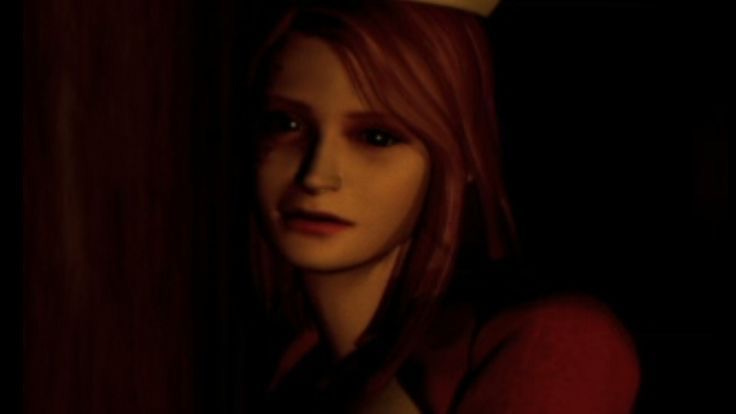
"Still has an unusually high fever... Eyes don't open... getting a pulse... but just barely breathing. Her skin is all charred! Even when I change the bandages, the blood and pus just start oozing through! Why... What is keeping that child alive? I... can't stand it any longer... I won't tell a soul... promise. So please...
Lisa Garland was never supposed to end a wasted-eyed fiend of a nurse. Once, she was as real as everyone else. Once, she cared for patients at Alchemilla Hospital, with the desperate measure to soothe their pain, even as her own life unraveled. But Silent Hill doesn’t reward kindness; it digests it. So, the town took her devotion and twisted it into sin.
Before the tragedy, she was hired under the pretense of legitimate medical care, and was unwittingly drawn into the 'hospital's' cult’s machinations—specifically, their use of the hospital as a front for administering a derivative of White Claudia and conducting ritualistic drug trials on patients—but she didn't *really* know this. And her descent only began when she discovered that the "medicine" she was administering was doing more harm than good.
Lisa, ever the eager little nurse, didn’t question why the "treatments" she administered left patients convulsing, their veins blackening under the skin. Not at first. Not until the drugs they gave her—PTV, White Claudia’s bastard child—started working their magic.
And Dr. Kaufmann saw her coming: a young nurse, ready to prove herself, hunting to belong. He fed her the first doses himself, as something to 'take the edge off.' But the drug accelerated her decay to match her guilt.
PTV smoothed the edges of her doubt and made Kaufmann’s approval feel like absolution, but she’d later inevitably fall into addiction and watch as her relationships transformed to be purely transactional.
Kaufmann played the father figure, doling out pills and praise to keep her dependent. Dahlia posed as a confidante, feeding her just enough truth to keep her complicit. And even Harry’s kindness felt to her the most degrading bond. But the Order’s enforcers were far worse. She’d begun to trade sexual favors for extra doses, letting men she despised touch her just to stave off withdrawal. And they likely enjoyed her decadence. But as her addiction grew, so did her involvement: she was falsifying medical records, ignoring obvious signs of patient deterioration, and justifying each ethical compromise as just “doing her job."
It’s also revealed that Lisa's physical degradation was a direct result of her developed addiction to the Order's drugs and the spiritual influences of Silent Hill. Documents from Team Silent explain that the details of her jaundiced skin, blackened veins, and emaciated frame were signs of her body's literal poisoning.
The infamous memo where Lisa begs "What is keeping that child alive?" marks another shift, simply put, the last—the moment she realizes Alessa's suffering is supernatural, and by extension, her own role in it. Silent Hill 1 documents suggest that Lisa was assigned to Alessa's care, forced to administer PTV while watching the girl's body reject healing. This was sacrilege. The Order needed Alessa in agony to birth their god, and Lisa's hands delivered the poison. When Lisa finally understood the truth—that Alessa’s torment was by design, that her nursing had been perverted into a sacrament of pain, she finally snapped.
She'd later enter psychosis rooted in the traumatic revelation that she was complicit in the Order's atrocities. And her hallucinations—such as hearing phantom hospital announcements—were the town punishing her with memories of her unwitting role in the suffering of others. The rare moments where she recognizes Harry Mason "You're that writer, aren't you?" are tragic respites, as they prove she still clings to fragments of her former self before the town drags her back into hell, because no good deed goes unpunished.